
Group Health Insurance in Lewisville
Are you struggling to find a group health insurance plan that balances cost and quality benefits in Lewisville? Do you worry about rising premiums and want to ensure your team has access to the best care?
At Wilkerson Insurance Agency, we’re not just brokers; we’re your Lewisville partners. For over 15 years, our family-oriented agency has helped thousands of businesses across the DFW metroplex manage the complexities of employee benefits with clarity and confidence. We provide personalized advice on group insurance plans to find the perfect solution for your company.
Get in Touch
Phone
Physical Address
2695 Villa Creek Dr. #215 Coppell , TX 75234
Mailing Address
P.O. BOX 1711 Coppell, TX 75019
Follow Us
Request a Quote
Facing Challenges with Group Health Insurance in Lewisville?
If you feel lost in a sea of confusing terms and rising prices, you are not alone. Many Lewisville business owners find it difficult to be certain they are making the right choice for their budget and their employees.
Lewisville businesses often face challenges like confusion over plan options (HMO, PPO, HDHP, etc.) and rising healthcare costs, leading to uncertainty about which plan offers the best benefits for the price. At Wilkerson Insurance Agency, we solve these problems directly. We provide personalized consultations and expert guidance to make your options clear. We find you a variety of affordable, complete health plans that fit your budget. Most importantly, we offer ongoing support to ensure your benefits package meets your company’s needs long after enrollment.
- Unbiased Independent Advice
- Local, Family-Owned Service
- 5-Star Rated Support
- 100% Free Consultations


Our Vision
To provide peace of mind to every business and family in the Lewisville-Fort Worth area by removing the complexities of health insurance. We strive to be the most trusted, local partner people turn to for their health protection needs.

Our Mission
Our mission is to treat every client "like family" and to listen attentively to their needs. As an independent brokerage, we are committed to finding the most effective and affordable health insurance solutions by impartially comparing plans from all top carriers.

Professional Team
Our team consists of experienced, licensed agents led by LeRoy Wilkerson. We are dedicated to your best interests, explaining complex insurance policies in simple, clear terms and providing year-round support.
Explore the Different Group Health Insurance Plans Available
Understanding your options is the first step. We make it simple to compare the most common types of group health insurance in Lewisville:
Health Maintenance Organization (HMO) Plans
These plans typically require you to use in-network doctors and choose a primary care physician (PCP) to coordinate your care.
Preferred Provider Organization (PPO) Plans
These plans offer more flexibility in choosing doctors, allowing some out-of-network care at a higher cost.
Exclusive Provider Organization (EPO) Plans
A plan that only covers care from doctors, specialists, or hospitals in its network (except in an emergency).

Indemnity (Fee-for-Service) Plans
These traditional plans allow you to see any doctor and pay a portion of the fee for each service.

High Deductible Health Plans (HDHP)
Plans with a lower premium but a higher deductible, often paired with a Health Savings Account (HSA).

Point of Service (POS) Plans
A plan that lets you choose between an HMO or a PPO each time you need care.
Building a Complete Benefits Package for Your Team
At Wilkerson Insurance Agency, we believe in protecting your business from every angle. Beyond your core health plan, we can help you add standalone policies to create a benefits package that attracts and retains top talent.
Wellness Programs
Many of our carriers offer optional wellness programs at no extra cost to keep your team healthy and productive.
Group Dental and Vision Coverage
We offer optional dental and vision plans to complement your health insurance and cover everything from check-ups to glasses.
Group Life Insurance
Provide financial protection for your employees’ families, ensuring they are supported.
Group Disability Insurance
Protect your employees’ income in case of an illness or injury that keeps them from working.
Why Group Health Insurance is Crucial for Your Lewisville Business
Call (214) 501.9613 or Start Your Health Insurance Quote Right Now.
- Attract and Retain Top Talent: In the competitive DFW market, a quality benefits package is key to hiring and keeping the best employees.
- Financial & Tax Advantages: Group plans are often more affordable than individual plans and provide significant tax advantages for your business.
- Improved Productivity: A healthy team is a productive team. Access to care reduces absenteeism and boosts company morale.
- Peace of Mind: Knowing your team is covered in case of illness or injury provides security for them and their families, and peace of mind for you.

2000+
Happy Clients
130+
Projects Completed
15
Years of Experience
9
Team Members
Our Simple 3-Step Process to Get You Covered
We make finding the right group health insurance straightforward and stress-free. Our process is designed to give you clarity and confidence.
01
Schedule Your Free, No-Obligation Consultation
It all starts with a simple conversation. Call us at (214) 501-9613 or request a quote online. We’ll sit down with you, either in our Lewisville office or over the phone, to understand your business's unique situation. We listen to your budget, your number of employees, and your goals. This is your time to ask us anything.
02
Compare Personalized Group Plans
Once we understand your needs, we do the heavy lifting. As an independent brokerage, we aren't tied to one carrier. We shop the entire market for you, comparing group health insurance quotes from Lewisville, TX, carriers like Blue Cross Blue Shield, Aetna, and UnitedHealthcare. We'll show you clear, side-by-side comparisons, explaining the pros and cons of each plan.
03
Enroll with Confidence and Get Year-Round Support
After you've chosen the perfect plan, we handle all the confusing applications. But our service doesn't stop there. You get peace of mind knowing you have a local expert for the entire life of your policy. We provide year-round support for claims, billing questions, new employee onboarding, or help during Open Enrollment. We are your advocate, just a phone call away.
Why Choose Wilkerson Insurance Agency? Your Trusted Lewisville Group Benefits Partner
When it comes to protecting your team, you want a local partner you can trust. You need an expert who understands your needs and works tirelessly to find the best solution. Since 2010, Wilkerson Insurance Agency has served the Lewisville-Fort Worth community, earning a reputation for exceptional, personalized service. We’re not just brokers; we’re your neighbors, committed to ensuring your business gets the best coverage at an affordable price.
Local DFW Expertise
With over 15 years of experience, we bring deep expertise in the Texas group health market. We understand the local provider networks and have helped thousands of Lewisville businesses find the right plan.
Access to Quality Care
Our service doesn’t end with enrollment. We are your year-round partner, ready to assist with claims, policy changes, employee onboarding, and any questions you have.
Truly Independent Advice
As an independent brokerage, we work for you, not the insurance companies. We partner with all top-rated carriers to compare plans and find the best fit for your needs, 100% unbiased.
A "Like Family" Approach
We reject the “one-size-fits-all” model. We treat every client “like family,” taking the time to listen to your needs and explain your options in simple, clear terms so you can make a confident, informed decision.
What Our Customers Say

Areas We Serve
While our main office is in Lewisville, we are proud to serve businesses across the entire Lewisville-Fort Worth metroplex and beyond. As an independent agency licensed in Texas and 18 additional states, we provide expert guidance both locally and nationally.
Our primary service areas in North Texas include:
- Dallas
- Coppell
- Frisco
- Irving
- McKinney
- Lewisville
- Plano
- Richardson
- Carrollton
Frequently Asked Questions
Our service is 100% free to your business! As independent brokers, we offer unbiased comparisons of all top carriers. We work for you, not the insurance company, ensuring you get the best plan at the best price. Plus, you get our local, 5-star service and year-round support.
It’s simple. You’ll just need basic information about your business (name, ZIP code) and a list of your eligible employees (names, dates of birth, and any dependents). This allows us to get accurate quotes from the carriers.
In Texas, you typically only need one full-time employee (besides the owner or their spouse) to qualify for a small group health plan. We can confirm your eligibility during our free consultation.
An individual plan covers just one person. Family insurance plans cover two or more members (such as you, your spouse, and your children) under a single policy. These plans often have a shared family deductible, which can sometimes be more cost-effective. We’ll run the numbers both ways to see what saves you the most money.
Our Team
Our team of licensed, experienced agents—led by LeRoy Wilkerson—puts your needs first. We break down complex insurance policies into simple, clear language and provide year-round support for all your coverage needs

LeRoy Wilkerson (Coppell)

Kimberly "KJ" Martin
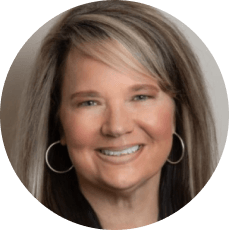
Gena Batson (Carrollton, TX)

Darlene Brown
Your Local Lewisville Group Health Partner is Here to Help
Don’t manage employee benefits or Open Enrollment alone. Let our family help your business. We are committed to building lifelong relationships built on trust, transparency, and the exceptional service you deserve.
Get started today and experience the peace of mind that comes from knowing your team is protected.
Our Resources
Check out our blogs for tips, information, benefits, and a lot more!
When to Buy Home Healthcare Insurance: Before or After Diagnosis?
When to Buy Home Healthcare Insurance: Before or After Diagnosis? It’s a natural instinct to wait. Buying coverage for care

Medigap or Medicare Advantage: Which Fits Your Lifestyle?
Medigap or Medicare Advantage: Which Fits Your Lifestyle? Most articles comparing Medigap and Medicare Advantage focus on which one is
Annuities vs. HSA for Retirement Health Costs: What Comes First?
Annuities vs. HSA for Retirement Health Costs: What Comes First? Healthcare is usually the retirement expense people plan for the